OVE: AI Search That Answers With Sourced Analysis
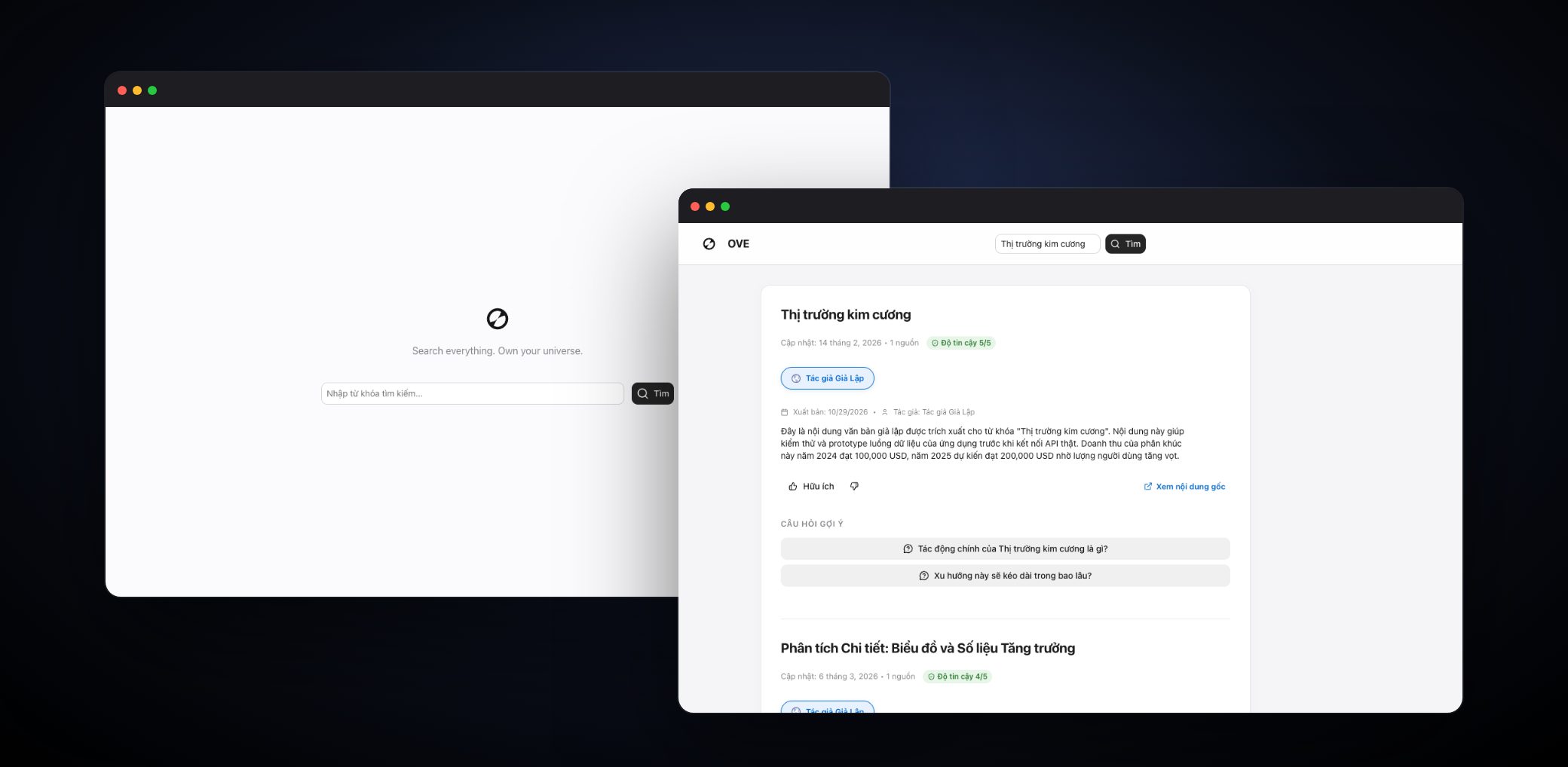
Finding many links, then reading them all yourself
A search on a topic usually returns dozens of links. The reader opens each page, reads, compares and writes their own summary. For many people, that is the most time-consuming part of searching.
OVE is an AI-powered search and analysis engine, built to reverse that order. The user enters a topic, and the app gathers results from the web and rewrites them as a structured analysis, with sources the reader can check.
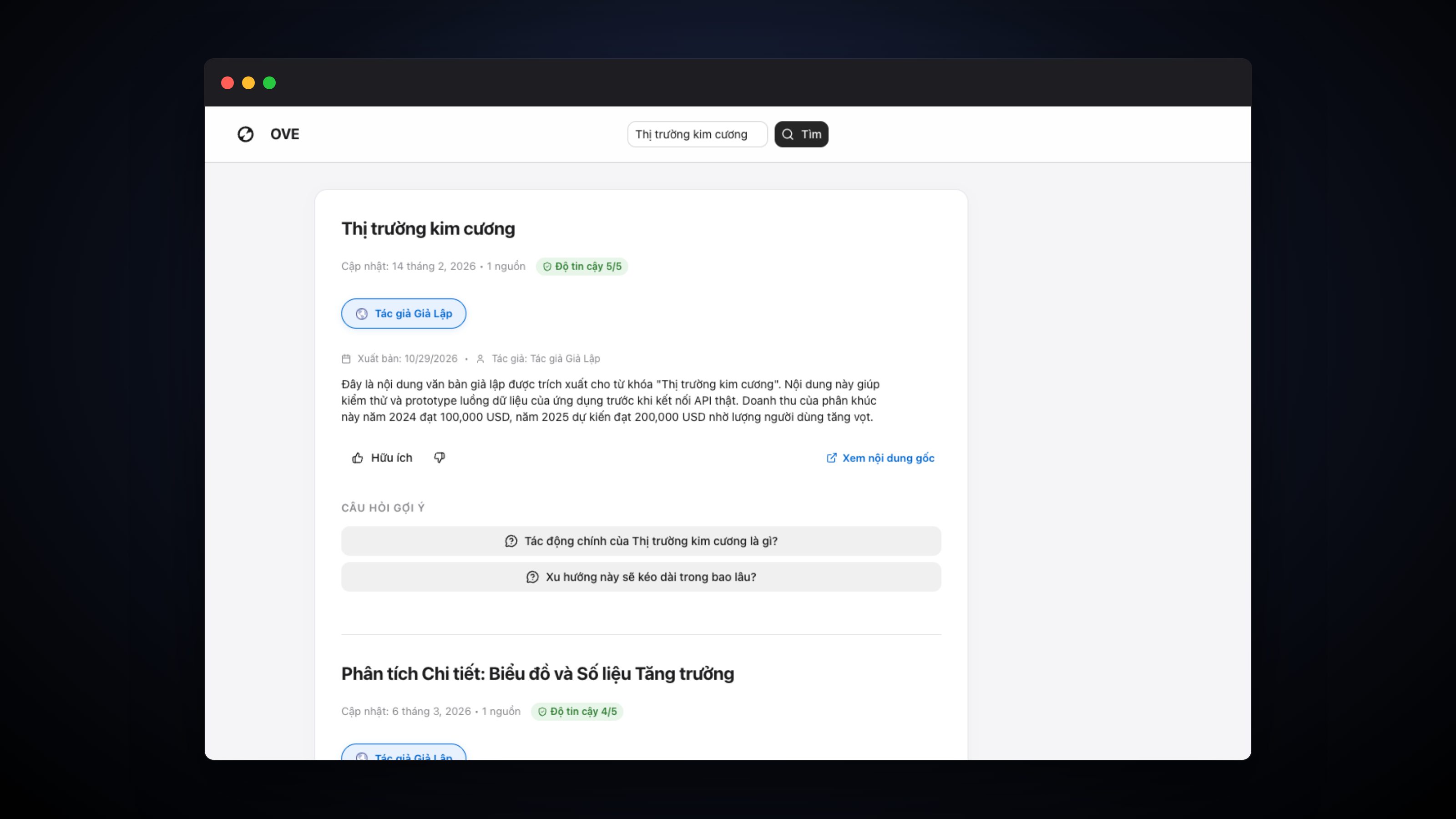
From raw sources to an analysis
OVE uses the Exa API to find sources on the web. A language model, reached through the Vercel AI SDK, reads those sources and writes the synthesis. When the results contain numbers, the app draws bar, line or pie charts inside the analysis.
Each source gets its own credibility score and citations. The reader sees not only a paragraph but also where it came from and how much weight that source deserves.
Background crawlers keep the data fresh
The harder part sits behind the interface. OVE runs background workers, built with BullMQ and Redis, that crawl pages, discover RSS, Atom, JSON and sitemap feeds, and update social accounts. Data is stored in PostgreSQL. The app is written in TypeScript and server-renders with TanStack Start on Nitro.
These workers are temporarily disabled in the latest commit. The search interface still runs.
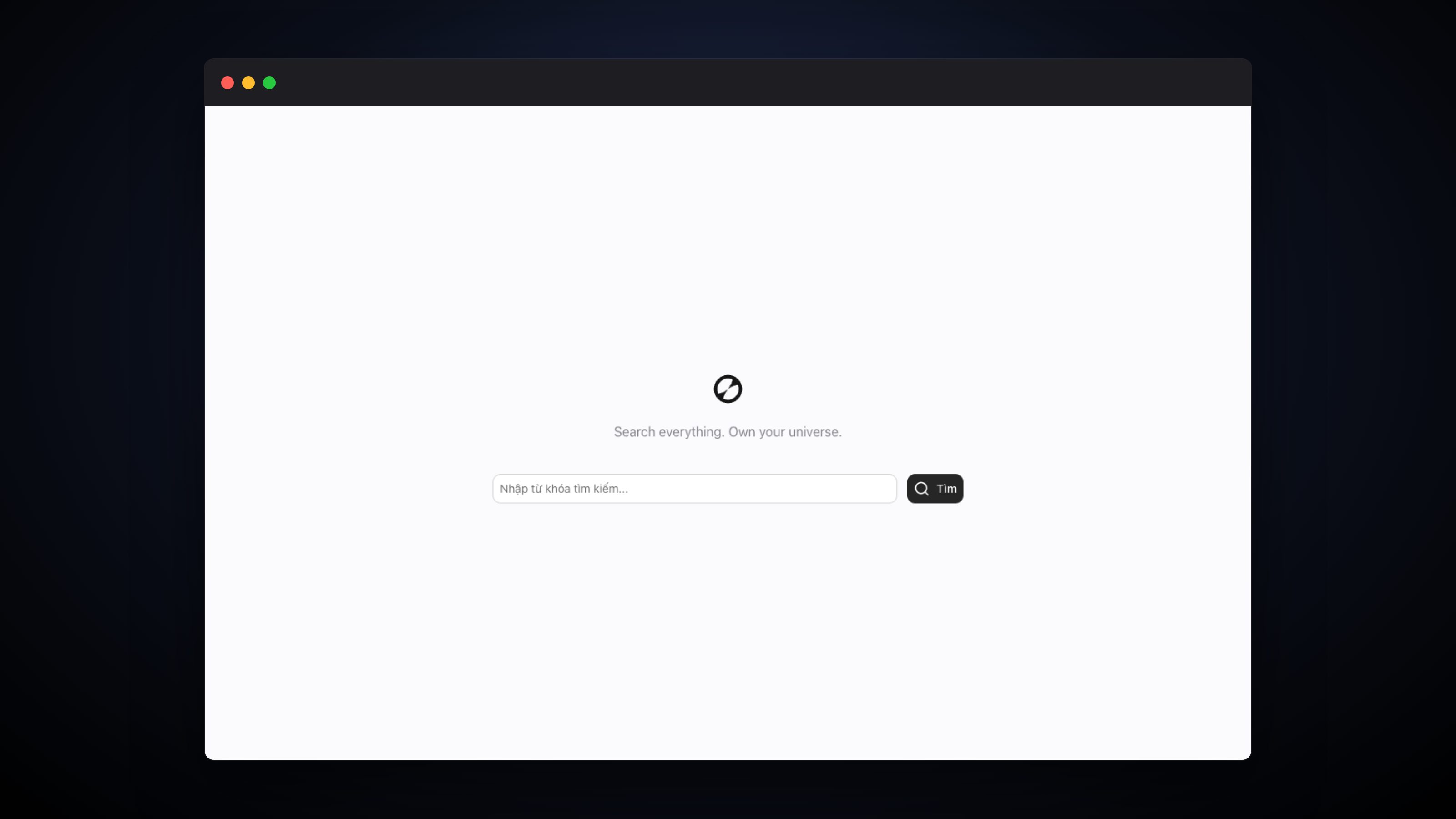
A public prototype
OVE is public as an experimental prototype. I planned it, designed its features and wrote the code alone. The repository records 84 commits, from July 2026 to October 2026.
Tech Stack
 TypeScript
 Redis
 PostgreSQL